
Overview
Paid advertising on Google looks a lot different than it did even six months ago. This blog takes a deep look at the new features and statistics that are driving this shift.
Highlights
- • Why Organic Alone Might Not Cut It Anymore
- • Local Services Ads Are Showing Up More Often
- • The Local Pack Isn’t Sacred Anymore
- • So, Is Google Becoming Pay-To-Win?
Introduction
Picture this: you finally hit the #1 organic spot for your top keyword. After months of work, you’re finally right where you wanted to be. Except your phone isn’t ringing any more than it was before. Your website traffic looks flat, maybe even a little worse. So, what happened?
Here’s the uncomfortable truth: nothing happened to you. People are still searching Google just as much as ever. What’s changed is what happens after they hit search — where their eyes land, what they click, and whether they click at all. The path from search to sale has quietly been rebuilt, and ranking #1 doesn’t mean what it used to.
In this blog, we’re investigating exactly what’s been reworked in 2026 and why it matters for how you spend your marketing budget.
Why Organic Alone Might Not Cut It Anymore
Let's say you’ve done everything right. You’ve written solid content, built up your rankings over a couple of years, and you show up on page one for the search terms that matter to your business. A few years ago, that would’ve been the finish line. Today, it can feel more like halftime.

Here’s why: when someone searches Google now, there’s a good chance they see an AI Overview before they see any actual website. It’s that box near the top of the results page where Google reads through a handful of sites and hands the searcher a summary, right there, without anyone having to click anywhere.
And that convenience is quietly reshaping who gets clicks. Data from the Pew Research Center found that when an AI Overview shows up, people click through to an organic result about 8% of the time, compared to 15% when there’s no AI summary present. That’s roughly half the clicks for the same ranking position you worked hard to earn.
So Where Are the Clicks Going Instead?
A lot of them are landing on ads. One analysis found that text ads have been gaining somewhere between 7-13% of the click share in categories where organic listings have lost ground. That represents a meaningful chunk of attention shifting from the free listings to the paid ones.
None of this means SEO stopped working, and it definitely doesn’t mean you should ditch the organic strategy you’ve spent years building. What it does mean is that the “free” lane to your website has gotten narrower. Ranking well is still worth doing, but it isn’t the whole game anymore. Think of organic search as one lane on a highway that used to have way less traffic in it. You can still get where you’re going, but you can’t count on it being the fastest or most reliable route by itself.
Local Services Ads Are Showing Up More Often (And Getting a Major Overhaul)
If your business operates within a service area, there’s a change coming that’s bigger than a typical feature update — Google is rebuilding how Local Services Ads work from the ground up.
First, a Quick Refresher on What Local Services Ads Are
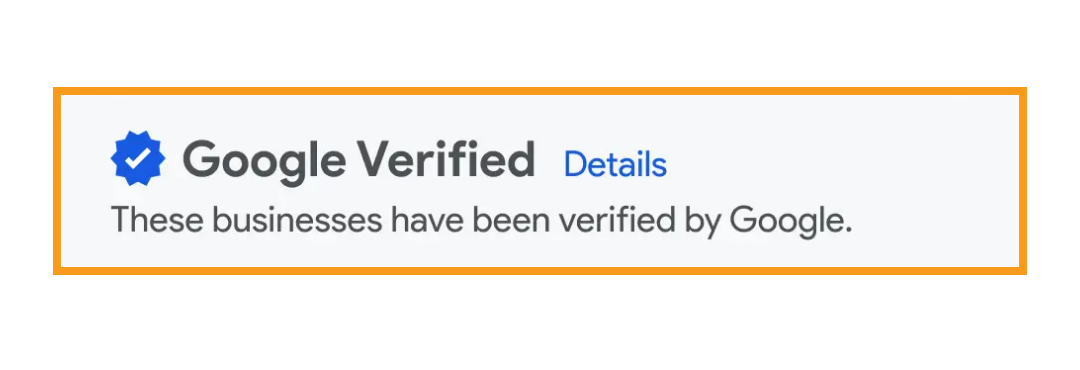
If you've never run one, a Local Services Ad (LSA) is the listing that appears at the very top of Google's search results (above the map, text ads, and organic listings) when someone searches for services like "remodeler near me" or "dentist in Toronto." It typically displays the business name, star rating, review count, and a Google Verified badge, indicating the business has completed Google's screening and verification process.
The big difference from a normal Google Ad: you’re not paying per click, you’re paying per lead. If someone calls or messages through the ad, that’s a lead. If they click and bounce, it costs you nothing. It’s built specifically for local service businesses where a phone call or booking matters more than website traffic.
They’re Showing Up a Lot More Than They Used To
Local visibility for these ads has expanded fast. Sterling Sky reported that at the start of 2025, Local Services Ads were showing up on roughly 11% of the local queries being tracked, but by November, that number had climbed to 31%. That’s nearly triple the visibility in under a year, which means more of your local customers are seeing these ads whether you’re running one or not.
The Big News: LSAs Are Merging Into Google Ads Itself
Google announced that it is moving Local Services Ads into the main Google Ads platform as a new campaign type: Performance Max built specifically for pay-per-lead goals. Up until now, LSAs have lived in their own separate dashboard, with their own reporting and their own lead inbox, completely apart from the rest of a business’s Google Ads account. That separation is going away.
The rollout is phased, not immediate:
- • The first phase begins in August 2026, for select home and storefront service advertisers in the U.S., including plumbing, HVAC, electrical, appliance repair, house cleaning, lawn care, roofing, pest control, and moving.
- • Later in 2026, the migration expands to broader advertiser groups, including service-area businesses without a physical storefront.
- • Non-U.S. accounts and any remaining business categories follow in 2027.
Why This Matters If You’re a Local Business
This is the biggest structural change to Local Services Ads since the product launched. If you’re in one of the industries listed for the first wave, this could start affecting your advertising in the next few months.
Even if your business isn’t migrating until later, it’s worth understanding that your reporting habits and where you go to manage campaigns are both about to change.
The Local Pack Isn’t Sacred Anymore
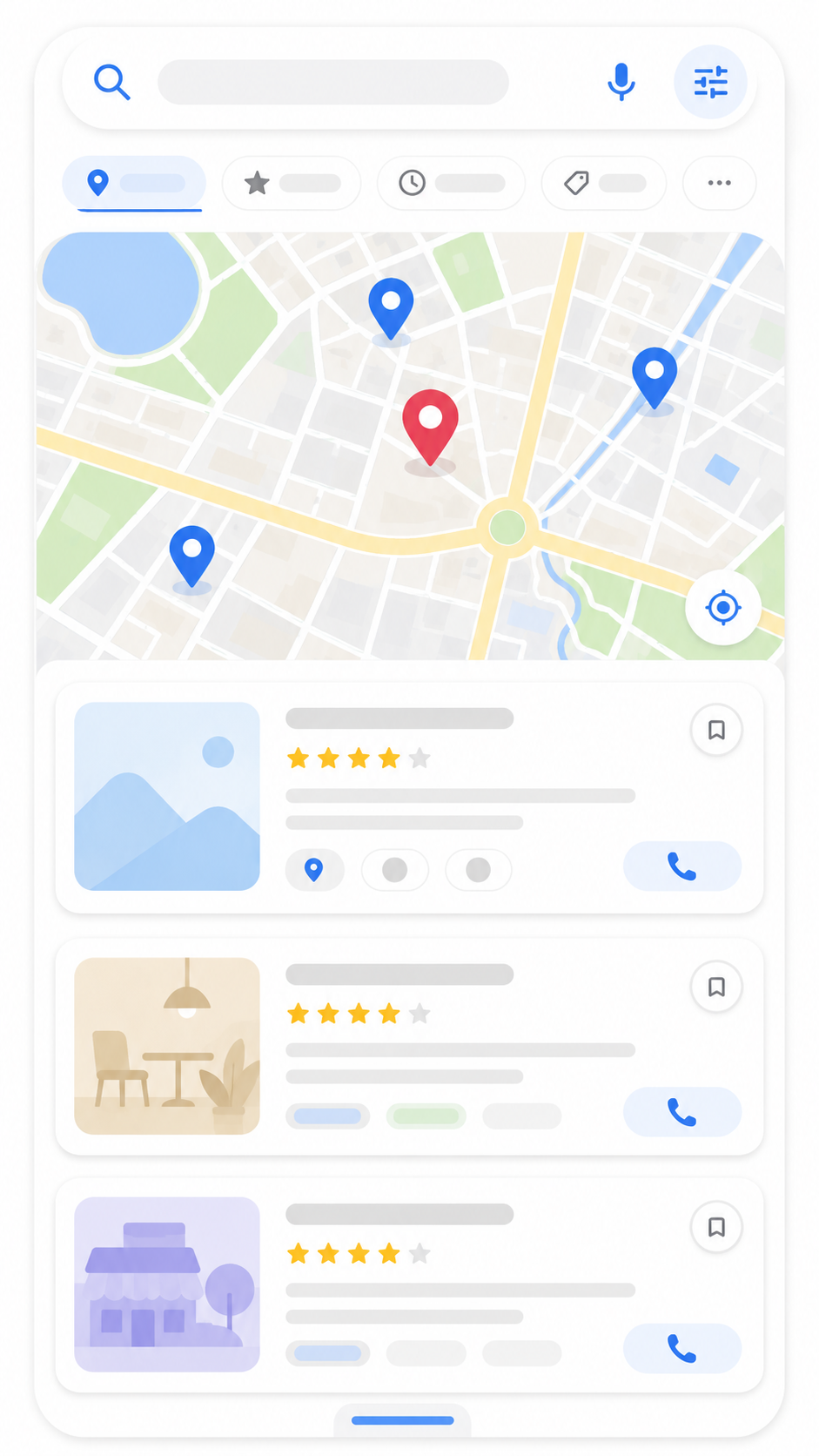
For years, Google’s Local Pack (that box with the map and three business listings that shows up when you search something like “coffee shop near me”) was one of the more reliable pieces of free real estate in local search.
That’s no longer exactly true.
Paid listings are now showing up inside the local pack itself, not just as separate ads sitting above or below it. Instead of a clearly separate ad section and a clearly separate map results section, the two are blending together. A sponsored listing can now occupy one of those coveted map-pack spots directly, sitting right alongside the organic businesses.
The Numbers Behind This Shift
This isn’t a minor tweak either. According to Sterling Sky, local pack ads only showed up on roughly 1% of tracked mobile keywords in 2025. So far in 2026, that statistic has peaked at around 30% of tracked keywords. That’s a huge increase and points to a broader shift as Google continues to experiment with ways to expand its advertising platforms.
Why Google Is Doing This?
The short version: local searches are some of the highest-intent traffic on the internet. Someone searching “emergency plumber near me” or “best landscaper in Houston” is often ready to call or book within minutes, not researching for later. That kind of intent is extremely valuable, and Google has been steadily finding ways to monetize it more directly. This is simply the next step in that pattern.
What It Means for Your Business
Practically, this means more competition for the exact same visual space you used to be able to earn just by having a well-optimized Google Business Profile and solid reviews. Depending on your market, it might no longer be enough to rank organically in the local pack, because you now may be competing with paid listings for the same three or four slots searchers actually see.
So, Is Google Becoming Pay-To-Win?
Well, not exactly. The honest answer is more nuanced than that. Strong SEO still works. A well-optimized website, a solid Google Business Profile, good reviews, and helpful content still earn real visibility — none of that has stopped mattering.
What has changed is that organic alone doesn’t guarantee the reach it used to. The free lane is still there; it’s just narrower, and it’s sharing more space with paid placements than it did even a year ago.
What’s Really Happening Is a Shift in Opportunity
It’s more accurate to call this “pay to compete.” Businesses that commit to running smart, well-managed paid campaigns are finding more room to grow visibility right now, simply because so much of the search results page has been restructured around ad placements, whether that’s in Search, in AI Overviews, in Local Services, and now in the local pack itself.
Where This Leaves a Small Business
If your SEO strategy has been humming along fine and still delivering steady traffic, there’s no reason to panic or rip up what’s working. But if you’ve noticed rankings holding steady while clicks and leads quietly decline (a pattern more businesses are reporting as these changes roll out), that’s usually the signal that optimization alone has hit a ceiling. That’s the moment to start layering in paid advertising, as the second half of a strategy that used to only need one half.
The businesses adapting best right now aren’t choosing between organic and paid. They’re treating both as required pieces of the same puzzle, because right now, that’s exactly what Google’s search results page has become.
Is Your Business Ready for Tomorrow’s Search Environment?
This blog isn’t supposed to make you panic or feel like the investment you put into SEO was wasted. Search results today are simply doing more: more AI summaries, more paid placements, more competition for the same handful of spots searchers actually see. That doesn’t mean scrap what’s already working.
It’s a good reason to take a fresh look at how paid advertising fits into your overall strategy as the piece that helps you show up in all the places organic alone can’t reach anymore.
If you’re not sure where to start, that’s exactly what a quick account audit is for. A LinkNow specialist can take a look at what you’re currently doing, where you might be losing visibility, and which types of paid campaigns make sense for your business and budget. Contact us today to set up a meeting.